Cultural Tapestry of Farewell: Cultural Traditions and Social Fabrics of Indian Funeral Customs
Wiki Article
Across the vast and diverse landscape of India, cultural practices surrounding the final farewell of a community member reflect a deep commitment to social solidarity. In every corner of the subcontinent, the rites dedicated to paying final respects demonstrate unmatched grace, historical roots, and mutual support. Far from viewing departure with isolated sorrow, these customs serve as a vital cultural bridge, uniting relatives, honoring elders, and passing down timeless values. The quiet period immediately after a farewell are spent in thoughtful, dignified preparation. Family members gather to perform traditional preparation rituals that have been refined over centuries. The departed loved one is dressed in spotless traditional attire representing local artistic styles. Simple white clothing remains the classic preference, representing equality, calm reverence, and timeless grace. Within specific regional groups, garments with decorative embroidery or regional dyes are chosen to honor the individual's age, social role, or lineage. Fragrant floral arrangements play an irreplaceable role in these preparations. Vibrant arrangements of native blossoms are carefully arranged around the individual. These floral decorations are far more than aesthetic adornments; they represent the vibrant beauty of life and the honor bestowed by the family. Anointing with cooling sandalwood, pure rose oils, and herbal extracts underscores the high level of respect, hygiene, and beauty present in the household. Among the most celebrated social features of Indian funeral customs is the ceremonial procession from the family residence to the community resting grounds. Referred to as a collective march of respect, this communal journey transforms private grief into a shared community event. Neighbors, extended relatives, and acquaintances gather along the entry paths, wearing simple white traditional attire to demonstrate solidarity and visual harmony. The individual is carried upon a gracefully constructed frame made from natural bamboo, adorned with fresh green leaves, traditional woven textiles, and rich floral garlands. While the gatherers walk along the neighborhood paths, neighbors exchange places to help carry the bamboo litter. This physical act of sharing the weight is a profound gesture of fellowship, proving that grief is met with shared strength. In many regions, the gentle chiming of bells and melodic flutes enhances the journey, offering a graceful auditory backdrop that informs the local district of a completed life journey. The extraordinary variety of Indian heritage is clearly visible in the varied funeral customs observed across different geographical regions and ethnic groups. Although the foundational principles of hospitality and honor are shared everywhere, the outward ceremonial forms adapt uniquely across different climatic, geographic, and cultural zones. Following the primary ceremonial rites, family life shifts into a structured phase of quiet reflection, typically lasting between ten and thirteen days. During this timeframe, the family home becomes an open sanctuary for visiting friends, distant relatives, and community members who travel from afar to offer condolences and pay their respects. Receiving guests with warmth remains a top priority. Simple, nutritious vegetarian meals are prepared daily in large quantities so every guest is comfortably welcomed and nourished. This practice of joint dining creates strong emotional bonds, helps visitors reflect on the individual's positive contributions, allowing the neighborhood to take care of all domestic chores for the family. The final day of the memorial period is celebrated with an extended neighborhood meal. Elders speak about the individual's life legacy and community service, passing down valuable life lessons to youth. Acts of charitable giving—such as donating clothing to community members, distributing food to those in need, or supporting local educational initiatives—are carried out to celebrate the person's legacy, strengthening societal support systems and charitable values.
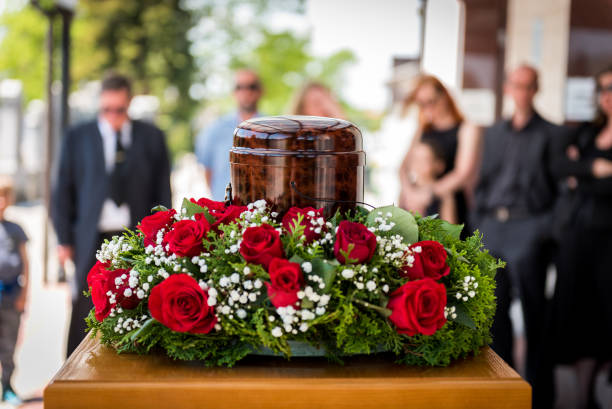
Wilson Garden Electric Crematorium Indian society approaches the honoring of the departed through a harmonious mix of joint effort and refined etiquette. Across both historic towns and modern neighborhoods, the collective gathering of relatives, neighbors, and friends underpins every step of the cultural farewell. These observances provide a structured cultural framework through which communities offer mutual support, demonstrate respect for elders, and celebrate the enduring influence of a person's life legacy.
The Aesthetics of Preparation and Family Devotion
Processions of Honor: Community Unity
Element
Material Used
Cultural Significance
Attire
Simple White Cotton Garments
Represents purity, equality, and shared grief.
Palanquin Frame
Natural Bamboo and Rattan
Reflects connection to nature and traditional craftsmanship.
Floral Adornments
Marigolds and Jasmine
Conveys family devotion and visual honor.
Natural Essences
Sandalwood Paste and Rosewater
Provides sensory elegance and traditional purification.
Regional Variations and Cultural Diversity
Peenya Crematorium No matter if the community practices gentle earthen burial or ceremonial fire rites, the focus remains steadfastly on the cultural heritage of returning the physical form to nature's fundamental components through practices that prioritize environmental respect and cultural grace.
Communal Hospitality and Memorial Traditions
Conclusion: An Enduring Legacy of Respect
Dead Body Transportation in Pune The farewell traditions of India present a masterclass of social values, artistic traditions, and profound community solidarity. By transforming a moment of farewell into a dignified celebration of cultural heritage, these traditions showcase the strength of human connection and collective support. By combining fragrant floral arts, dignified processions, local customs, and charitable giving, this heritage celebrates the completed life of every member while fortifying the enduring bonds of the community for generations to come.