Comprehensive Overview of Commercial Transport Recovery and Heavy Equipment Handling
Wiki Article
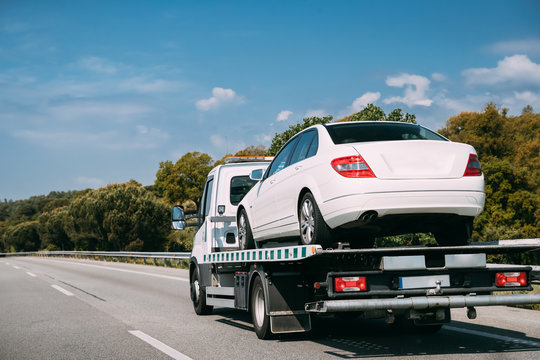
High-weight transport operations rely heavily on specialized rigging equipment, heavy recovery units, and experienced operators to resolve highway disruptions efficiently. Whether dealing with a stalled tractor-trailer, a fully loaded delivery rig, or construction machinery, securing reliable heavy duty towing services remains a vital requirement for fleet managers nationwide.
Modern fleet operators rely on professional recovery infrastructure to handle emergency roadside situations swiftly. Understanding the specialized mechanics behind commercial transport support empowers business owners to make informed logistics decisions.
The Operational Requirements of Large Vehicle Assistance
Recovering oversized machinery demands rigorous technical precision and adherence to strict safety standards. Key operational factors distinguishing large vehicle support include:
- Advanced Rigging and Rotator Systems: Operators utilize heavy-duty rotators, extended boom cranes, and 50-ton winch systems capable of lifting fully loaded semi-trucks.
- Weight Calculation and Axle Balancing: Adjustable boom angles allow recovery crews to lift vehicles from difficult embankments without disturbing cargo loads.
- Hazardous Site Clearance and Safety Protocols: Crews collaborate closely with law enforcement officials to clear highway lanes safely and efficiently.
Common Breakdown Scenarios for Large Transport Rigs
Arranging immediate semi truck towing ensures that disabled freight haulers are transported safely to repair facilities without causing extended supply chain disruptions. Below are common operational issues affecting commercial rigs on the road:
Pneumatic Brake System Failures:
When air pressure drops below critical thresholds, spring brakes lock automatically, immobilizing the vehicle completely.
Engine Overheating and Drivetrain Mechanical Breakdown:
Experienced operators inspect transmission connections before initiating any long-distance haul.
Rollover Incidents and Off-Road Reclamations:
Severe weather, driver fatigue, or sudden avoidance maneuvers can cause tall trailers to roll over onto highway shoulders.
Highway Wheel Assembly Failures:
Prompt assistance prevents secondary damage to surrounding chassis components.
Best Practices for Fleet Managers during Highway Incidents
Relying on qualified heavy duty towing specialists guarantees that appropriate equipment is dispatched to the location instantly. Fleet management teams should implement the following response steps:
Driver Protocol during roadside Events
Drivers must steer disabled vehicles onto highway shoulders whenever possible, engage emergency flashers, and deploy reflective safety triangles at mandated distances. Communicating accurate GPS coordinates and reporting cargo specifics helps dispatchers select appropriate commercial towing apparatus instantly.
Securing Freight and Site Coordinates
- Assess Cargo Integrity: Confirm whether cargo is hazardous, temperature-sensitive, or top-heavy to inform the incoming recovery team.
- Transmit Detailed Location Data: Share exact highway mile markers, cross streets, and directional lanes to speed up recovery arrival times.
- Document Visual Evidence: Capture images of vehicle positioning, road conditions, and structural damage for insurance records.
- Determine Service Facility Options: Establish designated repair facilities or fleet yards in advance to streamline post-recovery transport.
Regulatory Frameworks Governing Large Vehicle Transport
Weight limits, permit requirements, and hazardous material regulations govern how disabled vehicles are moved along public roads. Key regulatory areas include:
Overweight Vehicle Transport Authorizations:
Moving combined vehicles exceeding standard weight limits requires special permits from transportation authorities.
Safe Containment of Chemical Spills:
Accidents involving liquid tankers or fuel spills require specialized hazmat containment protocols.
Operator Certification and Training Standards:
Certified operators undergo rigorous training through organizations such as the Towing and Recovery Association of America (TRAA).
Final Assessment on Large Vehicle Recovery and Logistics
Partnering with skilled recovery specialists guarantees that fleet operations resume smoothly, safeguarding valuable assets and protecting public highways. By understanding equipment capabilities, emergency protocols, and regulatory requirements, fleet operators can manage unexpected breakdowns with confidence.
Prioritize vehicle safety, maintain strict maintenance schedules, and rely on experienced recovery professionals to keep your business moving forward.
Report this wiki page